In the heart of Seoul, where ancient palaces cast long shadows over bustling modern streets, a culinary revolution is quietly unfolding. Chefs in hanbok—traditional Korean attire—move with the deliberate grace of pansori singers as they arrange delicate banchan side dishes with the precision of a calligrapher's brushstroke. This is where Korea's living cultural heritage meets its world-renowned cuisine, creating experiences that nourish both body and soul in equal measure.
The connection between Korean traditional arts and cuisine runs deeper than mere presentation. Both are expressions of han—that uniquely Korean concept of collective sorrow and resilience that has shaped the nation's identity. Just as a pansori performer channels centuries of emotional weight through their vocal cords, kimchi fermentation vessels hold generations of family history within their earthenware walls. The rhythmic pounding of kimchi ingredients echoes the drumbeats that accompany traditional mask dances, both processes requiring synchronization, community participation, and transformation through disciplined repetition.
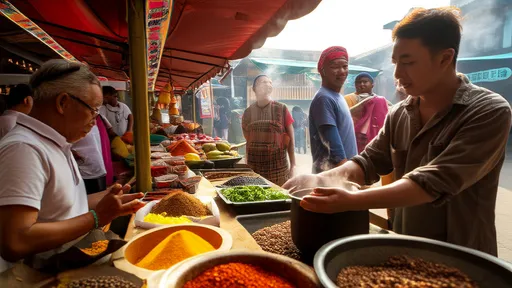
At the renowned Gwangjang Market, this fusion becomes visible to even the casual observer. Here, the sizzle of bindaetteok (mung bean pancakes) on hot griddles provides percussion to the melodic calls of vendors, creating an impromptu soundscape that wouldn't feel out of place in a traditional Korean opera. The vibrant colors of freshly made kimbap—yellow egg, orange carrot, green spinach—mirror the brilliant hues found in hanbok textiles and traditional paintings. Elderly women who have been preparing these foods for decades move with the economy of motion seen in traditional dancers, their hands simultaneously strong and delicate as they fold, wrap, and arrange.
Contemporary chefs are taking this relationship to new heights, treating their kitchens as performance spaces and their ingredients as artistic mediums. At Mingles, a two-Michelin-star restaurant in Seoul, chef Kang Min-goo approaches Korean royal cuisine with the mindset of a traditional musician interpreting classical compositions. "When I work with traditional recipes," he explains, "I'm not just following instructions. I'm interpreting centuries of culinary wisdom, much like a gayageum player interprets ancient scores. There's respect for tradition, but also room for personal expression within established forms."
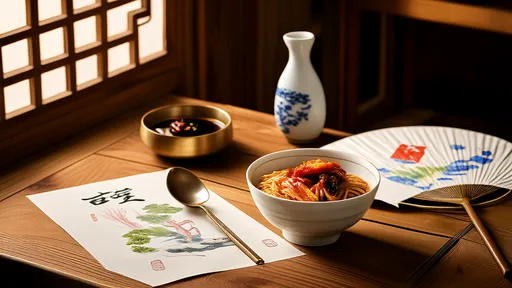
His signature dish—soy-marinated crab with pine nut porridge—demonstrates this philosophy. The presentation draws inspiration from Korean ink wash paintings, with dark soy sauce creating subtle gradations reminiscent of mountain landscapes. The texture contrasts—creamy porridge against the briny crunch of crab shell—create a sensory experience that evolves like the movements in a traditional symphonic piece.
The royal court cuisine of the Joseon Dynasty provides perhaps the most explicit connection between gastronomy and the arts. These elaborate multi-course meals were designed not just for nourishment but as total aesthetic experiences. The strict protocols governing their preparation and service mirrored the structured elegance of court dances, with each element—from the specific porcelainware selected for different dishes to the directional placement of utensils—following principles of harmony and balance.
Modern interpretations of these royal meals at establishments like Jihwaja maintain this artistic integrity while making the experience accessible to contemporary diners. The chef-owner, Yoon Sook-ja, approaches each menu as a curator would arrange a museum exhibition. "Every course tells part of a story," she says. "The colors, textures, and flavors work together like characters in a pansori epic—each has their moment to shine, but they all serve the larger narrative."
Traditional Korean tea ceremonies offer another dimension to this artistic culinary landscape. Unlike the minimalist Japanese tea ceremony, Korean darye embraces natural spontaneity within its structured format. The preparation and serving of tea becomes a meditative performance, with the tea master's movements flowing like the brushstrokes of Korean calligraphy—disciplined yet expressive. The accompanying traditional sweets, often made from honey, rice, and native fruits, provide gustatory counterpoints to the bitter tea, much like the interplay between a soloist and ensemble in traditional music.
Seasonality forms another crucial bridge between Korean arts and cuisine. Just as traditional paintings often depict seasonal landscapes and activities, Korean meals have always followed nature's calendar. Spring brings wild herb bibimbap adorned with edible flowers arranged like botanical illustrations. Summer means chilled buckwheat noodles served in bronze bowls that gleam like traditional metal crafts. Autumn tables feature persimmons and chestnuts arranged with the rustic elegance of a literati painting, while winter meals center around hearty stews and kimchi that provide warmth and comfort during the cold months.
The fermentation techniques that define so much of Korean cuisine—from kimchi to doenjang (soybean paste) to ganjang (soy sauce)—represent yet another artistic parallel. These slow transformations require the patience and intuition of a master potter tending their kiln. The fermentation jars, called onggi, are artworks in themselves—their porous nature allowing the ingredients to breathe, much like traditional hanok houses with their paper-lined doors and underfloor heating systems work in harmony with the environment.
At the National Gugak Center, this relationship between food and art becomes part of the performance experience. During special programs, traditional meals are served that directly relate to the music being performed. A farmer's dance performance might be accompanied by robust peasant dishes, while elegant court music is paired with refined banquet foods. The tastes, aromas, and textures become part of the sensory tapestry, helping audiences understand the cultural context of the art forms they're experiencing.
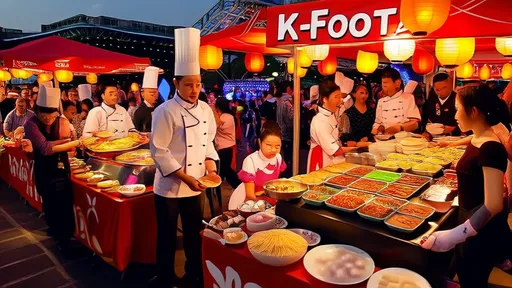
Street food culture, too, reflects this artistic heritage. The theatrical flair of hotteok vendors flipping sweet pancakes, the colorful displays of tteok (rice cakes) that resemble sculptural installations, the rhythmic chopping of knife-cut noodles—these are living performances that turn everyday eating into cultural experiences. The sounds, smells, and sights of Korean food markets create total environments that engage all senses simultaneously, much like traditional Korean festivals.
What makes this fusion particularly compelling is its organic nature. Unlike forced collaborations between artists and chefs that can feel contrived, the relationship between Korean traditional arts and cuisine has evolved naturally over centuries. They spring from the same cultural root system, informed by shared philosophical principles like balance between yin and yang, the importance of seasonal rhythms, and the celebration of natural beauty in imperfect forms.
As Korean culture continues to gain global recognition through the Hallyu wave, this deep connection between culinary and artistic traditions offers international audiences a more nuanced understanding of Korean heritage. The same aesthetic sensibilities that make Korean dramas visually compelling and K-pop choreographies mesmerizing are present in the country's culinary traditions. From the dramatic presentation of bossam (boiled pork wraps) to the intricate layering of flavors in galbi jjim (braised short ribs), Korean food tells stories as vivid as any period drama.
For travelers seeking authentic cultural experiences, this integration of arts and cuisine provides rich opportunities for immersion. Participating in kimchi-making workshops led by instructors who explain the process through analogy to traditional dance, attending culinary performances where chefs prepare meals accompanied by live music, or simply observing the artistic care with which even the most humble neighborhood restaurant arranges their banchan—these experiences reveal the soul of Korean culture in ways that museums or concerts alone cannot.
Ultimately, the perfect fusion of Korean traditional arts and cuisine represents more than just aesthetic pleasure or gustatory satisfaction. It embodies a holistic worldview where beauty, nourishment, tradition, and innovation coexist in harmonious balance. In a world increasingly dominated by fast food and disposable culture, this integrated approach to living offers valuable lessons about mindfulness, community, and the art of savoring life's simple pleasures. As Korea continues to navigate its position between ancient traditions and hyper-modernity, its culinary arts stand as delicious proof that the deepest roots often produce the most innovative blossoms.

By /Oct 30, 2025
By /Oct 30, 2025
By /Oct 30, 2025

By /Oct 30, 2025
By /Oct 30, 2025
By /Oct 30, 2025

By /Oct 30, 2025
By /Oct 30, 2025
By /Oct 30, 2025
By /Oct 30, 2025
By /Oct 30, 2025

By /Oct 30, 2025
By /Oct 30, 2025
By /Oct 30, 2025

By /Oct 30, 2025
By /Oct 30, 2025

By /Oct 30, 2025
By Rebecca Stewart/Nov 12, 2025
By /Oct 30, 2025
By /Oct 30, 2025
