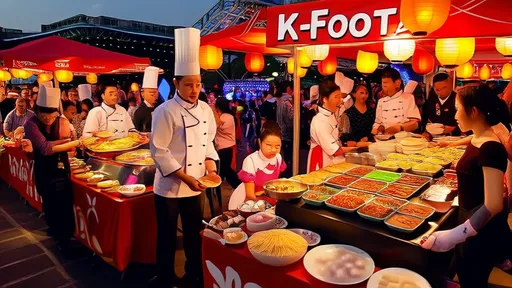
The aroma of sizzling bulgogi wafts through a Shanghai shopping mall as curious Chinese consumers gather around a pop-up Korean food stall. This scene, repeated across major Chinese cities, represents more than just a culinary curiosity - it signifies a cultural bridge being built one bite at a time. Korean cuisine's journey into the Chinese market has evolved from simple food exports to a sophisticated cultural exchange that requires nuanced understanding and strategic communication.
Korean food's initial entry into China came through diaspora communities and television dramas, creating what marketers call the "Korean Wave" effect. When Chinese viewers watched their favorite K-drama characters enjoying bibimbap or sharing soju, they weren't just witnessing meal scenes - they were observing cultural rituals. This organic introduction created a foundation of familiarity, but transforming that passive awareness into active engagement requires moving beyond mere exposure to creating meaningful connections.
The digital landscape offers the most promising platform for this culinary diplomacy. While Western social media platforms face restrictions in China, domestic platforms like Douyin, Xiaohongshu, and Weibo have become the modern town squares where food trends are born and nurtured. Successful Korean food brands haven't simply transplanted their international social media strategies - they've created China-specific content that resonates with local sensibilities. The most effective campaigns feature Chinese influencers who genuinely appreciate Korean cuisine rather than just promoting products, creating authentic narratives around their personal experiences with the food.
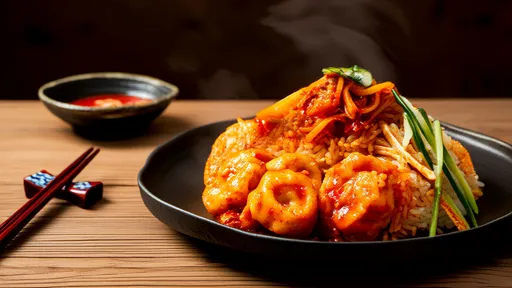
Cultural adaptation goes deeper than marketing language. Korean food companies that have succeeded in China understand that taste preferences vary significantly across regions. While Sichuan province might welcome extra spice in their tteokbokki, Shanghai consumers often prefer slightly sweeter versions. This regional customization demonstrates respect for local palates while maintaining the essential Korean character of dishes. It's a delicate balance - preserving authenticity while acknowledging that what works in Seoul might need adjustment in Shenyang.
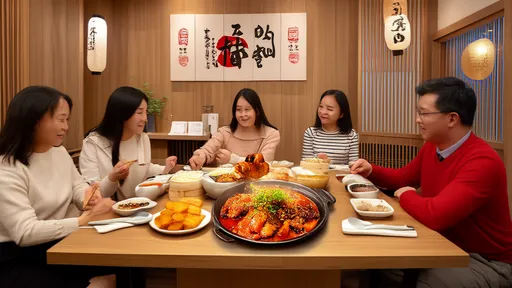
The educational component forms another critical layer of consumer engagement. Many Chinese consumers approach Korean food with curiosity but limited understanding of dining etiquette or ingredient significance. Successful brands have created content that gently guides consumers through the cultural context - explaining why Korean barbecue is typically enjoyed communally, how different banchan (side dishes) complement main courses, or the significance of specific dishes during Korean holidays. This educational approach transforms eating from mere consumption to cultural participation.
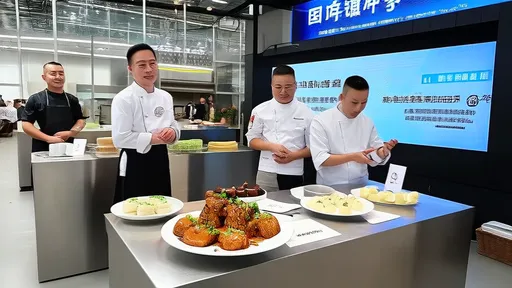
Physical experiences remain vital in the digital age. Pop-up restaurants, cooking classes led by Korean chefs, and food festivals create tangible connections that pure online engagement cannot replicate. These events become Instagrammable moments that extend their reach through social sharing. The most successful physical activations incorporate interactive elements - allowing consumers to try their hand at making kimchi or customizing their own bibimbap bowls. These hands-on experiences create emotional connections and lasting memories.
Collaborations between Korean food brands and Chinese companies represent another powerful bridge-building strategy. Joint ventures with local restaurants, Korean ingredient partnerships with Chinese supermarkets, and co-branded products with Chinese food companies create mutual investment in success. These partnerships provide Korean brands with invaluable local market knowledge while giving Chinese companies access to authentic Korean products and expertise. The synergy creates offerings that feel neither foreign nor completely localized, but rather like a natural fusion of both cultures.
Storytelling has emerged as perhaps the most potent tool in connecting Korean food with Chinese consumers. Modern Chinese consumers, particularly younger generations, increasingly value the narratives behind their food choices. They want to know about the family recipes passed down through generations, the regional specialties from different parts of Korea, the health benefits of fermented foods like kimchi, and the sustainable practices of Korean food producers. Brands that share these stories authentically create deeper emotional resonance than those focusing solely on taste or price.
The language of health and wellness provides another meaningful connection point. Korean cuisine's emphasis on fermentation, vegetable-forward dishes, and balanced nutrition aligns well with growing Chinese consumer interest in healthy eating. Educational content about the probiotic benefits of kimchi, the nutritional value of various seaweeds, or the health advantages of Korean temple cuisine finds receptive audiences among health-conscious Chinese consumers. This health angle provides a substantive reason for adoption beyond trend-following.
Seasonal and festival marketing creates natural engagement opportunities. Aligning Korean food promotions with Chinese holidays like Lunar New Year or Mid-Autumn Festival, while also introducing Korean celebrations like Chuseok, creates a cultural dialogue through food. Limited-time offerings that fuse Korean techniques with Chinese festival ingredients or special menus that compare how both cultures celebrate similar holidays can spark curiosity and conversation. These temporal connections make Korean food feel integrated into the rhythm of Chinese life rather than separate from it.
The role of Korean celebrities and cultural ambassadors cannot be overstated, but the approach has evolved. Rather than simply using famous faces for endorsement, the most effective campaigns integrate Korean celebrities who genuinely enjoy and understand the food they're promoting. When Chinese consumers see their favorite K-pop stars sharing personal stories about childhood food memories or demonstrating authentic cooking techniques, it creates a more credible connection than scripted advertisements.
Looking forward, the most successful Korean food brands in China will be those that approach the market not as a conquest but as a conversation. They'll continue adapting while maintaining core identity, listening to Chinese consumer feedback while educating about Korean culinary traditions, and creating spaces - both digital and physical - where the two food cultures can meet, mingle, and create something new together. The ultimate goal isn't to make Korean food another option in China's culinary landscape, but to make it an integral thread in the rich tapestry of Chinese food culture.
The journey of Korean food in China mirrors larger patterns of cultural exchange in our globalized world. It demonstrates that successful cross-cultural communication requires equal parts confidence in one's own traditions and respect for others'. As Korean restaurants continue multiplying across Chinese cities and Korean ingredients become pantry staples in Chinese homes, this culinary bridge promises to grow stronger, nourishing not just bodies but mutual understanding between neighboring cultures with intertwined histories and increasingly shared futures.

By /Oct 30, 2025
By /Oct 30, 2025

By /Oct 30, 2025

By /Oct 30, 2025
By /Oct 30, 2025
By /Oct 30, 2025

By /Oct 30, 2025
By /Oct 30, 2025
By /Oct 30, 2025
By /Oct 30, 2025
By /Oct 30, 2025

By /Oct 30, 2025
By /Oct 30, 2025
By /Oct 30, 2025

By /Oct 30, 2025
By /Oct 30, 2025

By /Oct 30, 2025

By Rebecca Stewart/Nov 12, 2025
By /Oct 30, 2025
By /Oct 30, 2025
