Korean-Chinese Food Ties Upgrade Again

Oct 30, 2025 By

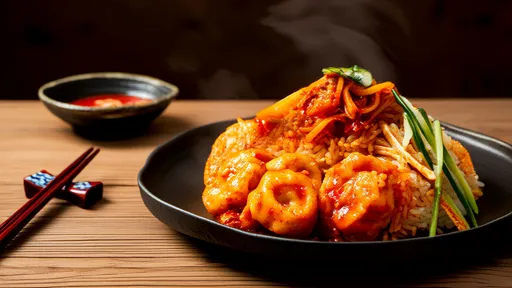
The culinary relationship between South Korea and China is undergoing a remarkable transformation, moving beyond historical exchanges into a new era of collaborative innovation. For centuries, food has served as a cultural bridge between the two nations, with ingredients, techniques, and dishes flowing across borders. Today, this ancient bond is being redefined by a powerful synergy of modern consumer trends, technological advancement, and a shared ambition to conquer global palates. What was once a one-way street of influence is now a dynamic, two-lane highway of mutual inspiration and strategic partnership.


At the heart of this culinary upgrade is the evolving palate of the Asian consumer. A new generation, more affluent, well-traveled, and digitally connected than ever before, is demanding more from its food. There is a growing appetite for authenticity, but not in a static, museum-piece sense. Instead, consumers seek authentic flavors that are also healthy, convenient, and visually compelling. This shift has forced a reevaluation of traditional Korean and Chinese cuisines. Restaurants and food companies are no longer simply presenting classic dishes; they are deconstructing and reimagining them. In Seoul, one can find Chinese dishes like Mapo Tofu being infused with gochujang (Korean red chili paste), creating a deeper, more complex heat. Conversely, in Shanghai, chefs are experimenting with Korean barbecue techniques, using them to prepare premium cuts of Chinese lamb, resulting in a smoky, tender fusion that delights local diners.


This fusion is not a random mash-up of flavors. It is a calculated and sophisticated process driven by deep market research. Food conglomerates from both countries have established cross-border R&D teams, where Korean food scientists work alongside Chinese culinary masters to develop products specifically tailored for the other's market. A leading Korean snack company, for instance, recently launched a line of crackers that feature the numbing spice of Sichuan peppercorns balanced with the sweet and savory notes of Korean bulgogi marinade. The product was a hit, demonstrating that the market is ripe for these hybrid creations. This goes beyond mere novelty; it represents a fundamental understanding that the future of food in the region lies in its ability to transcend national boundaries while retaining a soulful connection to its origins.


Technology is the invisible hand accelerating this gastronomic revolution. The rise of food delivery platforms like Meituan in China and Baedal Minjok in Korea has created a massive laboratory for culinary experimentation. A new fusion dish can be launched in a cloud kitchen—a delivery-only establishment with low overhead—and its success can be measured in real-time through order data and customer reviews. This allows for rapid iteration. A Korean-Chinese jajangmyeon (noodles in black bean sauce) with added spicy kick might be tested one week; based on feedback, the recipe can be adjusted the next, fine-tuning the level of spice or the texture of the noodles until it achieves viral status. Social media platforms like Douyin and Instagram further amplify these trends, turning a successful fusion dish into a visual sensation that drives foot traffic and online orders, creating a feedback loop that constantly fuels innovation.


Perhaps the most significant dimension of this upgraded food tie is the strategic alignment to capture the global market. Both South Korea and China have witnessed the immense soft power and economic benefits of their cultural exports—K-pop and Korean dramas on one side, and a growing appreciation for Chinese cinema and literature on the other. Food is the next frontier. Recognizing that their cuisines can be more powerful together, businesses are collaborating on a global scale. We are beginning to see joint ventures between Korean food manufacturers and Chinese distribution giants to launch ready-to-eat meal lines in North America and Europe. These products are strategically positioned as "Pan-Asian" or "New Asian," a category that leverages the familiar appeal of Chinese food while introducing the trendy, health-conscious elements of Korean cuisine. This collaborative branding allows them to stand out in crowded Western markets, offering a novel yet accessible eating experience.


The health and wellness trend is another powerful catalyst. Korean food has gained a global reputation for its fermentation techniques, seen in kimchi and doenjang (soybean paste), which are rich in probiotics. Chinese cuisine, with its ancient principles of food therapy and balancing "yin and yang," offers a philosophical framework for healthy eating. The fusion of these two philosophies is creating a new paradigm of "functional Asian food." In trendy cafes from Beijing to Los Angeles, one can now find bubble tea made with Korean yakult instead of traditional creamer, or Chinese congee (rice porridge) topped with a generous serving of kimchi for a probiotic boost. This marriage of taste and wellness is incredibly appealing to a global consumer base increasingly concerned with gut health and clean eating, providing a compelling unique selling proposition that neither cuisine could easily claim alone.


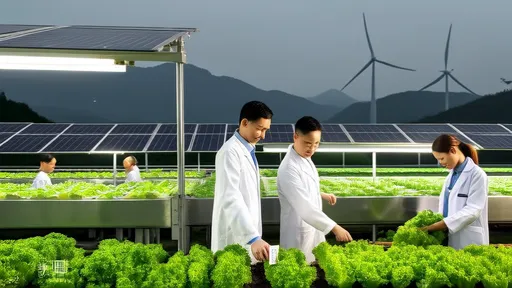
Looking ahead, the trajectory of the Korea-China food nexus points toward even deeper integration. The next wave will likely involve the entire supply chain, from farm to fork. We can anticipate collaborations in agricultural technology, with Korean precision farming methods being applied to grow specialized Chinese vegetables, and Chinese logistics expertise being used to ensure the freshest Korean seafood reaches new markets. Furthermore, as artificial intelligence and big data become more sophisticated, personalized nutrition will become a reality. Imagine an app, developed through a Sino-Korean partnership, that can recommend a weekly meal plan—featuring fused dishes—based on an individual's health data, taste preferences, and even genetic makeup.


The upgrade of the Korea-China food bond is far more than a passing culinary trend. It is a multifaceted evolution driven by economics, technology, and a shared vision for the future. It demonstrates how ancient cultural assets can be revitalized through collaboration and innovation to meet the demands of the modern world. This partnership is not about one culture subsuming the other; it is about creating a new, hybrid culinary language that is greater than the sum of its parts. As this synergy continues to deepen, the world's dinner tables are set to become far more interesting, one innovative, delicious bite at a time.


Recommend Posts
Food

Guangxi Gongcheng Enterprises Sign Contracts with Greater Bay Area Buyers Worth 64 Million Yuan

By /Oct 30, 2025

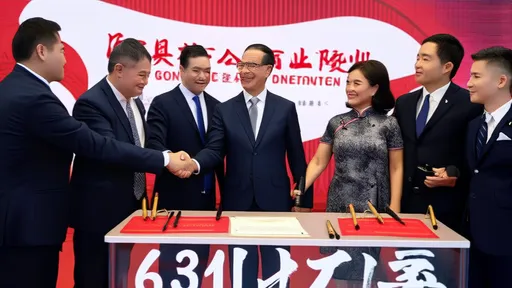
In a landmark development for regional economic cooperation, enterprises from Gongcheng County in Guangxi have successfully secured procurement contracts worth 640 million yuan with buyers from the Greater Bay Area, marking a significant milestone in cross-regional business collaboration. The signing ceremony, held amidst growing economic integration between southern China's regions, demonstrates how smaller counties are leveraging strategic partnerships to access larger markets and drive local economic growth.
Food

Shenzhen Halal Association Showcases High-Quality Healthy Halal Foods

By /Oct 30, 2025

In a vibrant celebration of culinary excellence and nutritional innovation, the Shenzhen Halal Association recently unveiled an impressive array of premium healthy halal food products at a major exhibition. The event, held at the prestigious Shenzhen Convention and Exhibition Center, drew widespread attention from food industry experts, health-conscious consumers, and international trade representatives alike. The association's meticulously curated display represented a significant milestone in the evolution of halal food standards, demonstrating how traditional dietary laws can harmoniously coexist with contemporary health trends and environmental consciousness.
Food

Ugandan Coffee and Australian Dairy Compete on the Same Stage

By /Oct 30, 2025

In the bustling halls of international trade exhibitions, an unlikely pairing has been capturing the attention of global buyers and connoisseurs alike. The rich, earthy aroma of Ugandan coffee beans mingles with the creamy sweetness of Australian dairy products, creating a sensory experience that transcends geographical boundaries. This unexpected convergence represents more than just a culinary curiosity—it speaks volumes about the evolving landscape of global trade and the fascinating ways in which developing and developed economies are finding common ground in competitive international markets.
Food

Shantou Yingge Dance Makes a Debut with Chenghai Lion Head Goose, Highlighting the Rich Mountain and Sea Resources

By /Oct 30, 2025

In the coastal city of Shantou, a remarkable cultural fusion is taking center stage, blending intangible heritage with culinary excellence to showcase the region's unique geographical treasures. The rhythmic intensity of Yingge Dance, recognized by UNESCO as an intangible cultural heritage, now shares the spotlight with Chenghai's majestic lion-head geese, creating a powerful narrative about the interconnectedness of mountain and sea resources that define this corner of Guangdong Province.
Food

The Perfect Fusion of Korean Traditional Art and Cuisine

By /Oct 30, 2025

In the heart of Seoul, where ancient palaces cast long shadows over bustling modern streets, a culinary revolution is quietly unfolding. Chefs in hanbok—traditional Korean attire—move with the deliberate grace of pansori singers as they arrange delicate banchan side dishes with the precision of a calligrapher's brushstroke. This is where Korea's living cultural heritage meets its world-renowned cuisine, creating experiences that nourish both body and soul in equal measure.
Food

How International Food Trade Promotes Cultural Understanding

By /Oct 30, 2025

In the bustling markets of Istanbul, the aromatic scent of Turkish coffee mingles with the sharp tang of Italian Parmesan. In Tokyo’s depachika food halls, French macarons sit alongside delicate Japanese wagashi. These scenes are not just a testament to globalized trade but a living, breathing dialogue between cultures. International food trade has quietly become one of the most potent, yet understated, vehicles for cultural understanding in our interconnected world. It moves beyond the exchange of goods into the realm of shared human experience, transforming foreign ingredients into familiar staples and distant culinary traditions into personal daily rituals.
Food

How to Open Up Distribution Channels for Landmark Products through Exhibitions

By /Oct 30, 2025

In the bustling exhibition hall of the Canton Fair, a small booth displaying handcrafted bamboo tea sets from a remote Chinese village caught the attention of international buyers. This scene, repeated across trade shows worldwide, demonstrates the transformative power of exhibitions in bridging the gap between regional specialties and global markets. For producers of distinctive local products, trade shows represent more than mere selling opportunities—they serve as critical conduits for establishing distribution networks that can sustain businesses for years to come.
Food

Flavors from China" Become New Choices for Global Dining Tables

By /Oct 30, 2025

In the bustling streets of New York, the aromatic scent of Sichuan peppercorns wafts from a trendy downtown restaurant. In Parisian bistros, chefs are experimenting with fermented black beans, while in Melbourne homes, families gather around steaming pots of hot pot. Chinese cuisine, once confined to Chinatowns and specialized eateries, has broken free from its traditional boundaries to become a vibrant and influential force on the world's dining tables. This is not merely about the globalization of food; it is a story of cultural exchange, economic ascent, and a profound shift in global palates. The flavors from China are no longer just an exotic alternative; they are becoming a new, mainstream choice, redefining what it means to eat globally.
Food

How to Build a Communication Platform between Korean Cuisine and Chinese Consumers"

By /Oct 30, 2025

The aroma of sizzling bulgogi wafts through a Shanghai shopping mall as curious Chinese consumers gather around a pop-up Korean food stall. This scene, repeated across major Chinese cities, represents more than just a culinary curiosity - it signifies a cultural bridge being built one bite at a time. Korean cuisine's journey into the Chinese market has evolved from simple food exports to a sophisticated cultural exchange that requires nuanced understanding and strategic communication.
Food

Exploring Local Specialty Certification through 'Chongqing Flavor Flavor List'"

By /Oct 30, 2025

In the heart of southwestern China lies Chongqing, a city whose culinary identity has long been defined by the fiery embrace of the chili pepper and the numbing tingle of Sichuan peppercorn. For decades, this singular profile dominated both domestic and international perceptions of the region's food. But a quiet revolution has been brewing in the kitchens and culinary institutes of Chongqing, one that seeks to codify and celebrate the astonishing diversity that lies beyond the ma la (numbing and spicy) stereotype. The recently unveiled "Yu Flavor Type Inventory" is not merely a list of dishes; it is a profound act of cultural reclamation and a sophisticated framework for authenticating a complex regional cuisine.
Food

South Korea's Agricultural and Food Exports to China Grow

By /Oct 30, 2025

In recent years, South Korea's agricultural and food exports to China have demonstrated remarkable resilience and growth, defying global economic headwinds and navigating complex trade dynamics. This upward trajectory underscores a strategic alignment of Korean products with evolving Chinese consumer preferences, bolstered by effective marketing and quality assurance. The sustained expansion is not merely a statistical anomaly but reflects deeper shifts in bilateral trade relations and consumption patterns across East Asia.
Food

Tongliao Agricultural Investment Company Partners with Greater Bay Area Buyers to Build a Comprehensive Chain System

By /Oct 30, 2025

In a groundbreaking move that bridges China's northern agricultural heartland with southern economic dynamism, Tongliao Agricultural Investment Company has forged a strategic partnership with leading Greater Bay Area procurement enterprises to establish a comprehensive agricultural supply chain system. This collaboration represents more than just a business transaction - it symbolizes the convergence of traditional farming wisdom with modern market demands, creating a new paradigm for agricultural development in China.
Food

Han-Chinese Friendship Little Angels Witnessing the Exchange of Culinary Culture

By /Oct 30, 2025

In the heart of Seoul, where ancient palaces stand beside modern skyscrapers, a remarkable culinary exchange is taking place that transcends borders and languages. The "Little Ambassadors of Korea-China Friendship" program has been quietly nurturing the next generation of cultural diplomats through the universal language of food. These children, selected for their curiosity and open-heartedness, have become unexpected but powerful bridges between two nations with deeply intertwined histories and increasingly interconnected futures.
Food

Sino-European Food Industry Cooperation Spurs Innovation Achievements

By /Oct 30, 2025

In the heart of Europe's bustling food innovation scene, a quiet revolution is taking place as Chinese and European stakeholders forge unprecedented alliances. The historic Silk Road that once connected East and West through trade routes now finds its modern equivalent in the exchange of culinary wisdom and food technology. What began as simple agricultural trade has evolved into sophisticated partnerships that are reshaping global food systems.
Food

How Korean Brands Attract Chinese Consumers

By /Oct 30, 2025

Korean brands have mastered the art of capturing the Chinese consumer market through a sophisticated blend of cultural resonance and strategic marketing. The journey began with the Korean Wave, or Hallyu, which swept across China in the late 1990s and early 2000s. This cultural phenomenon introduced Chinese audiences to Korean dramas, music, and fashion, creating a fertile ground for brands to flourish. What started as a niche interest has evolved into a mainstream preference, with Korean products now synonymous with quality, innovation, and style in the minds of many Chinese consumers.
Food

K-FOOD FESTA: Promoting Cultural Exchange through Gastronomy"

By /Oct 30, 2025

As dusk settles over the city, the air fills with the sizzle of marinated beef meeting hot grill and the sweet aroma of fermented cabbage. The K-FOOD FESTA transforms ordinary urban spaces into vibrant hubs of cultural exchange, where food becomes the universal language connecting people across continents. This annual celebration of Korean cuisine has evolved far beyond a simple culinary exhibition, becoming a dynamic platform where traditions meet innovation and strangers become friends over shared meals.
Food

Chinese Food Enterprises Engaging in Global Sustainable Development

By /Oct 30, 2025

Chinese food enterprises are increasingly positioning themselves at the forefront of global sustainability efforts, transforming from domestic producers into international players with environmentally conscious operations. This strategic shift reflects both global market demands and China's domestic policy directions, creating a unique convergence of commercial and ecological interests.
Food

5-Minute Avocado Toast Hack (My Fave Breakfast Win ✨)

By Rebecca Stewart/Nov 12, 2025

I used to think making a decent avocado toast required at least 15 minutes of precious morning time—until I discovered a game-changing method that takes under five. Mornings are chaotic enough without sacrificing a nutritious breakfast. This isn't just about mashing avocado on bread; it's about crafting a delicious, satisfying meal that fuels your day without the fuss.
Food

The Introduction of Japanese Square Watermelon Cultivation Techniques to China

By /Oct 30, 2025

In the sprawling agricultural landscapes of China's Shandong province, a quiet revolution has been taking place beneath plastic greenhouse covers. Farmers who have cultivated traditional watermelons for generations are now carefully tending to a peculiar new crop - square watermelons. These geometrically perfect fruits represent more than just a novelty item; they signify the successful transfer of specialized agricultural technology from Japan to Chinese farms, creating ripples across both agricultural and economic spheres.
Food

Korean-Chinese Food Ties Upgrade Again

By /Oct 30, 2025

The culinary relationship between South Korea and China is undergoing a remarkable transformation, moving beyond historical exchanges into a new era of collaborative innovation. For centuries, food has served as a cultural bridge between the two nations, with ingredients, techniques, and dishes flowing across borders. Today, this ancient bond is being redefined by a powerful synergy of modern consumer trends, technological advancement, and a shared ambition to conquer global palates. What was once a one-way street of influence is now a dynamic, two-lane highway of mutual inspiration and strategic partnership.