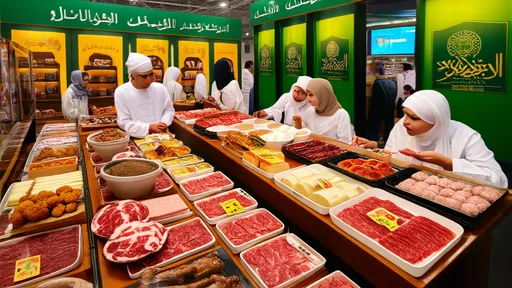
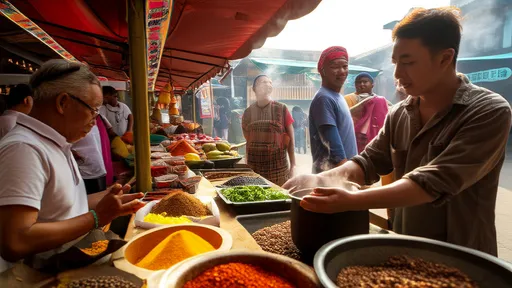
In the bustling markets of Istanbul, the aromatic scent of Turkish coffee mingles with the sharp tang of Italian Parmesan. In Tokyo’s depachika food halls, French macarons sit alongside delicate Japanese wagashi. These scenes are not just a testament to globalized trade but a living, breathing dialogue between cultures. International food trade has quietly become one of the most potent, yet understated, vehicles for cultural understanding in our interconnected world. It moves beyond the exchange of goods into the realm of shared human experience, transforming foreign ingredients into familiar staples and distant culinary traditions into personal daily rituals.
The journey of food across borders is as old as civilization itself, tracing back to the spice routes that connected the East and West. However, the scale and speed of today’s global food trade are unprecedented. A tomato sauce in a Naples pizzeria might feature San Marzano tomatoes, revered for their flavor, while a home cook in Mexico might use a locally grown variety. Yet, in a supermarket in Norway, both might be available, sitting side-by-side, inviting comparison and curiosity. This accessibility is the first step toward cultural engagement. When a Norwegian family chooses the San Marzano tomatoes, they are not merely selecting an ingredient; they are indirectly participating in a specific Italian culinary philosophy that values particularity and tradition. They might research why these tomatoes are special, learning about the volcanic soil of Mount Vesuvius and the generations of farmers who have cultivated them. The simple act of purchasing becomes a miniature lesson in geography, history, and agricultural practice.
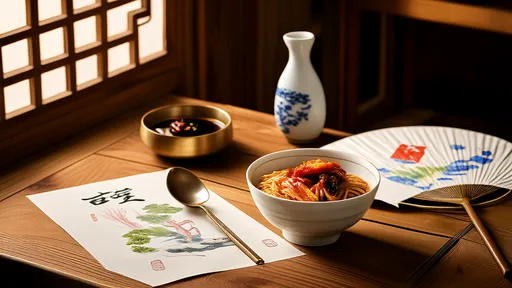
This edible education continues within our own kitchens. The recipe for a Thai green curry, once an obscure secret, is now a click away for anyone with an internet connection. But the recipe is just a blueprint; the ingredients are the soul. When a cook in Berlin sources galangal, kaffir lime leaves, and Thai basil to recreate that curry, they are assembling a mosaic of Thai culture. The pungent, citrusy notes of galangal, so different from the more common ginger, offer a direct sensory insight into the flavor profile that defines a region. The act of pounding the curry paste, as opposed to simply blending it, connects the cook to a traditional method, a rhythm of preparation that is integral to the dish's identity. The final meal is more than dinner; it is an act of cultural translation and appreciation, a story told through taste and aroma.
Furthermore, the global food trade fosters a profound form of empathy by creating tangible economic and human connections. The story of coffee is a powerful example. For decades, the narrative of coffee in the Global North was one of a generic commodity. Today, thanks to fair trade and direct trade movements, consumers are increasingly aware of the individuals behind their morning brew. They know that their Ethiopian Yirgacheffe was grown by smallholder farmers in the highlands, that their Guatemalan Antigua comes from a specific co-operative. This knowledge personalizes the product. The consumer is no longer just buying coffee; they are supporting a community, a family, a way of life thousands of miles away. This connection fosters a sense of global citizenship and responsibility, an understanding that our choices here have a direct impact on lives elsewhere.
The influence is not a one-way street from the exotic "Other" to the Western world. The food trade has also facilitated a massive and often overlooked reverse flow, where Western products are adapted and reinterpreted in fascinating ways across the globe. In South Korea, a pizza might be topped with sweet potato mousse, bulgogi beef, and a drizzle of gochujang sauce. This is not an inauthentic aberration but a brilliant culinary fusion that reflects local tastes and ingredients, creating something entirely new. Similarly, the Japanese embrace of bread, or pan, has led to creations like anpan (sweet buns filled with red bean paste) and kare-pan (curry bread). These adaptations are a form of cultural conversation. They demonstrate how a society takes a foreign concept, understands its core principles, and then confidently makes it their own. For observers in the West, seeing their own culinary exports transformed in this way can be a humbling and enlightening experience, challenging the notion of cultural purity and showcasing the dynamic, evolving nature of all food traditions.
Perhaps the most significant impact of this culinary exchange is its power to dismantle stereotypes. Food has a unique ability to humanize and create common ground where politics and rhetoric often fail. A person might hold vague or negative preconceptions about a particular country or its people. But sitting down to a lovingly prepared dish from that culture—sharing the sweet and savory complexity of a Persian fesenjan, or the communal joy of a Senegalese thieboudienne—can shatter those abstractions. The care, history, and artistry embedded in the food speak a universal language of hospitality and human ingenuity. It becomes difficult to maintain a simplistic or hostile view of a culture when you have genuinely enjoyed and appreciated a fundamental expression of its identity. The meal becomes a bridge, transforming "them" into a community of people who, like "us," find joy, comfort, and meaning in the act of cooking and eating.
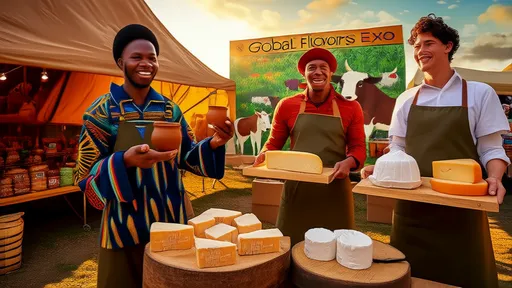
In conclusion, the containers of mangoes from India, the sacks of quinoa from Bolivia, and the wheels of cheese from France traversing the oceans are carrying more than just sustenance. They are vessels of stories, traditions, and human connection. The international food trade, in its quiet, persistent way, is weaving a global tapestry of understanding, one meal at a time. It turns the foreign into the familiar, fosters empathy across vast distances, and reminds us that despite our many differences, we are all united by the most basic of human needs and pleasures—the shared table. As we continue to explore the world through our palates, we are not just consuming food; we are participating in the oldest and most delicious form of diplomacy there is.

By /Oct 30, 2025
By /Oct 30, 2025
By /Oct 30, 2025

By /Oct 30, 2025
By /Oct 30, 2025
By /Oct 30, 2025

By /Oct 30, 2025
By /Oct 30, 2025
By /Oct 30, 2025
By /Oct 30, 2025
By /Oct 30, 2025

By /Oct 30, 2025
By /Oct 30, 2025
By /Oct 30, 2025

By /Oct 30, 2025
By /Oct 30, 2025
By /Oct 30, 2025
By Rebecca Stewart/Nov 12, 2025
By /Oct 30, 2025
By /Oct 30, 2025
