The Introduction of Japanese Square Watermelon Cultivation Techniques to China

Oct 30, 2025 By

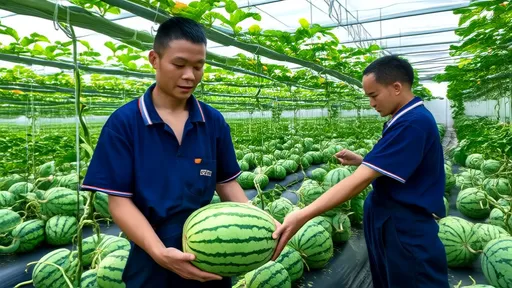
In the sprawling agricultural landscapes of China's Shandong province, a quiet revolution has been taking place beneath plastic greenhouse covers. Farmers who have cultivated traditional watermelons for generations are now carefully tending to a peculiar new crop - square watermelons. These geometrically perfect fruits represent more than just a novelty item; they signify the successful transfer of specialized agricultural technology from Japan to Chinese farms, creating ripples across both agricultural and economic spheres.


The journey of square watermelon cultivation from Japan to China began in the early 2000s, when Chinese agricultural experts first encountered these unusual fruits during international food exhibitions. Japanese farmers had pioneered the technique decades earlier, recognizing the commercial potential of creating watermelons that could be stacked, shipped, and stored more efficiently than their round counterparts. The Chinese agricultural community saw beyond the novelty factor, recognizing an opportunity to add value to their watermelon production while reducing logistical challenges.


The technical transfer process involved multiple stages of adaptation and refinement. Chinese agricultural research institutions initially sent teams to Japanese farming communities in Zentsuji, where square watermelons were first developed. These study missions revealed that the Japanese technique involved placing young watermelon fruits into transparent square containers, allowing the fruit to naturally assume the shape of its enclosure as it grew. The containers needed to be strong enough to withstand the pressure of the growing fruit, yet designed with adequate ventilation to prevent rotting.


Chinese agricultural engineers quickly realized that simply copying Japanese methods wouldn't suffice. The different climate conditions, soil composition, and watermelon varieties grown in China required significant modifications to the original technique. Researchers at the Chinese Academy of Agricultural Sciences began experimenting with various container materials, eventually developing a polycarbonate box that could withstand China's more variable summer temperatures while providing the necessary structural integrity.


The cultivation timing presented another significant challenge. Japanese growers typically started their square watermelons earlier in the season to accommodate the longer growth period required - the constrained space actually slows the fruit's development. Chinese farmers had to recalibrate their entire planting schedule, balancing the extended growth period against their local climate patterns. Many farms in Shandong and Hainan provinces, China's primary watermelon growing regions, initially struggled with this timing, resulting in fruits that either didn't fully form to the square shape or developed internal quality issues.


Knowledge transfer extended beyond just the molding technique. Chinese farmers had to learn precise monitoring methods to determine the optimal moment to place developing fruits into their square containers. Placing them too early would stunt growth, while waiting too long made the shaping process ineffective. Japanese agricultural consultants visiting Chinese farms emphasized the importance of daily monitoring and careful handling, practices that required Chinese farmers to adopt more labor-intensive but precise cultivation methods.


The economic implications of this technology transfer have been substantial. Square watermelons command premium prices in Chinese markets, often selling for five to eight times the price of conventional watermelons. This price differential has enabled participating farmers to significantly increase their income from the same land area, though the higher labor costs and specialized equipment required mean that profit margins, while healthy, aren't as dramatically different as the retail prices might suggest.


Market reception in China has evolved significantly since the first domestic square watermelons appeared. Initially viewed as expensive curiosities, they've gradually gained acceptance as luxury gifts and premium restaurant ingredients. The timing of their introduction coincided with China's growing middle class seeking distinctive food experiences, creating perfect market conditions for these unusual fruits. Urban consumers in cities like Shanghai, Beijing, and Guangzhou have particularly embraced them, seeing them as symbols of agricultural innovation and modern luxury.


The technology transfer hasn't been without its critics. Some agricultural traditionalists question the resource allocation toward what they see as a novelty crop, arguing that research efforts would be better spent improving yields or disease resistance in staple crops. Others have raised concerns about the additional plastic waste generated by the square containers, though many farms have implemented recycling programs to address this issue.


Environmental considerations have prompted ongoing refinement of the technique. Chinese researchers have been experimenting with biodegradable container materials and improved ventilation designs that reduce the risk of fungal infections, a common problem in the humid growing regions where watermelons thrive. These innovations represent China's contribution to the evolving technology, taking the original Japanese concept and advancing it further.


The success of square watermelon cultivation has inspired similar shape-modification experiments with other fruits. Chinese farmers are now developing square cantaloupes, heart-shaped honeydew melons, and even pyramid-shaped pineapples, applying the lessons learned from watermelon cultivation to create an entire category of designer fruits. This expansion demonstrates how a single technology transfer can spark broader innovation within the agricultural sector.


Looking forward, the square watermelon story continues to evolve. Chinese agricultural companies are now exporting both the fruits and the cultivation technology to other countries, completing a full cycle of international agricultural exchange. The techniques originally developed in Japan have been refined and improved in China, creating a new standard for specialty fruit production that's gaining global interest.


The cultural significance of this agricultural exchange extends beyond mere commerce. Square watermelons have become symbols of Sino-Japanese agricultural cooperation, demonstrating how shared knowledge can benefit both countries despite historical and political complexities. They represent a successful case study in international technology transfer, showing how adaptation and local innovation can turn an imported concept into a domestic success story.


As Chinese farmers continue to perfect square watermelon production, researchers are exploring ways to automate parts of the process, potentially reducing labor costs while maintaining quality. The ongoing development of this specialty crop illustrates how agricultural innovation often moves in unexpected directions, transforming something as simple as a watermelon into a story of international cooperation, economic opportunity, and technological progress.


Recommend Posts
Food

Guangxi Gongcheng Enterprises Sign Contracts with Greater Bay Area Buyers Worth 64 Million Yuan

By /Oct 30, 2025

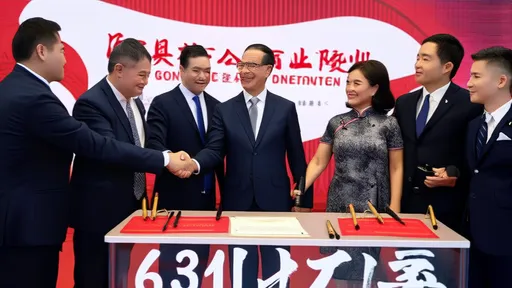
In a landmark development for regional economic cooperation, enterprises from Gongcheng County in Guangxi have successfully secured procurement contracts worth 640 million yuan with buyers from the Greater Bay Area, marking a significant milestone in cross-regional business collaboration. The signing ceremony, held amidst growing economic integration between southern China's regions, demonstrates how smaller counties are leveraging strategic partnerships to access larger markets and drive local economic growth.
Food

Shenzhen Halal Association Showcases High-Quality Healthy Halal Foods

By /Oct 30, 2025

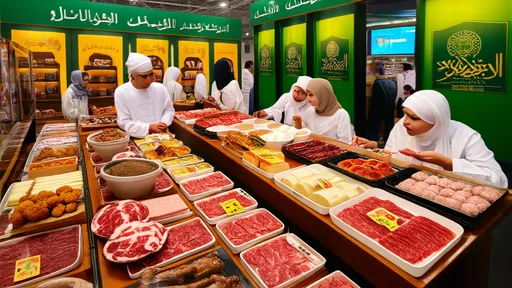
In a vibrant celebration of culinary excellence and nutritional innovation, the Shenzhen Halal Association recently unveiled an impressive array of premium healthy halal food products at a major exhibition. The event, held at the prestigious Shenzhen Convention and Exhibition Center, drew widespread attention from food industry experts, health-conscious consumers, and international trade representatives alike. The association's meticulously curated display represented a significant milestone in the evolution of halal food standards, demonstrating how traditional dietary laws can harmoniously coexist with contemporary health trends and environmental consciousness.
Food

Ugandan Coffee and Australian Dairy Compete on the Same Stage

By /Oct 30, 2025

In the bustling halls of international trade exhibitions, an unlikely pairing has been capturing the attention of global buyers and connoisseurs alike. The rich, earthy aroma of Ugandan coffee beans mingles with the creamy sweetness of Australian dairy products, creating a sensory experience that transcends geographical boundaries. This unexpected convergence represents more than just a culinary curiosity—it speaks volumes about the evolving landscape of global trade and the fascinating ways in which developing and developed economies are finding common ground in competitive international markets.
Food

Shantou Yingge Dance Makes a Debut with Chenghai Lion Head Goose, Highlighting the Rich Mountain and Sea Resources

By /Oct 30, 2025

In the coastal city of Shantou, a remarkable cultural fusion is taking center stage, blending intangible heritage with culinary excellence to showcase the region's unique geographical treasures. The rhythmic intensity of Yingge Dance, recognized by UNESCO as an intangible cultural heritage, now shares the spotlight with Chenghai's majestic lion-head geese, creating a powerful narrative about the interconnectedness of mountain and sea resources that define this corner of Guangdong Province.
Food

The Perfect Fusion of Korean Traditional Art and Cuisine

By /Oct 30, 2025

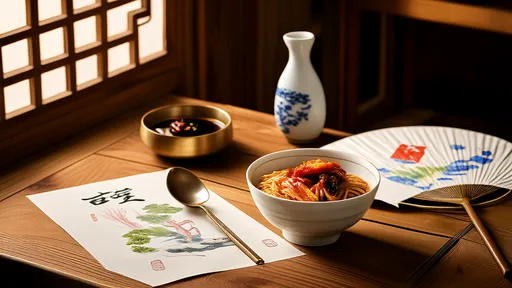
In the heart of Seoul, where ancient palaces cast long shadows over bustling modern streets, a culinary revolution is quietly unfolding. Chefs in hanbok—traditional Korean attire—move with the deliberate grace of pansori singers as they arrange delicate banchan side dishes with the precision of a calligrapher's brushstroke. This is where Korea's living cultural heritage meets its world-renowned cuisine, creating experiences that nourish both body and soul in equal measure.
Food

How International Food Trade Promotes Cultural Understanding

By /Oct 30, 2025

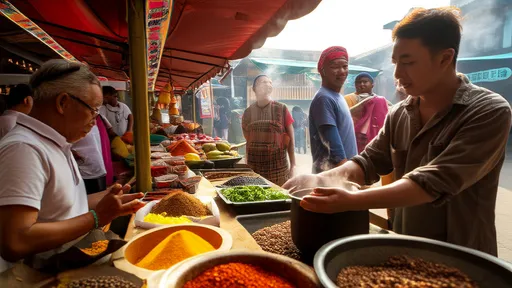
In the bustling markets of Istanbul, the aromatic scent of Turkish coffee mingles with the sharp tang of Italian Parmesan. In Tokyo’s depachika food halls, French macarons sit alongside delicate Japanese wagashi. These scenes are not just a testament to globalized trade but a living, breathing dialogue between cultures. International food trade has quietly become one of the most potent, yet understated, vehicles for cultural understanding in our interconnected world. It moves beyond the exchange of goods into the realm of shared human experience, transforming foreign ingredients into familiar staples and distant culinary traditions into personal daily rituals.
Food

How to Open Up Distribution Channels for Landmark Products through Exhibitions

By /Oct 30, 2025

In the bustling exhibition hall of the Canton Fair, a small booth displaying handcrafted bamboo tea sets from a remote Chinese village caught the attention of international buyers. This scene, repeated across trade shows worldwide, demonstrates the transformative power of exhibitions in bridging the gap between regional specialties and global markets. For producers of distinctive local products, trade shows represent more than mere selling opportunities—they serve as critical conduits for establishing distribution networks that can sustain businesses for years to come.
Food

Flavors from China" Become New Choices for Global Dining Tables

By /Oct 30, 2025

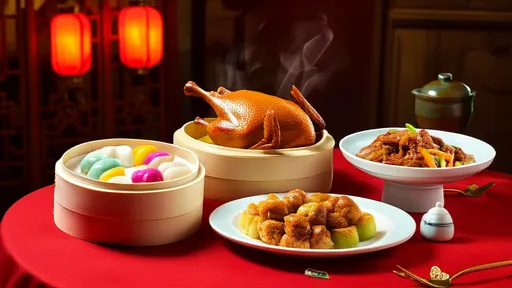
In the bustling streets of New York, the aromatic scent of Sichuan peppercorns wafts from a trendy downtown restaurant. In Parisian bistros, chefs are experimenting with fermented black beans, while in Melbourne homes, families gather around steaming pots of hot pot. Chinese cuisine, once confined to Chinatowns and specialized eateries, has broken free from its traditional boundaries to become a vibrant and influential force on the world's dining tables. This is not merely about the globalization of food; it is a story of cultural exchange, economic ascent, and a profound shift in global palates. The flavors from China are no longer just an exotic alternative; they are becoming a new, mainstream choice, redefining what it means to eat globally.
Food

How to Build a Communication Platform between Korean Cuisine and Chinese Consumers"

By /Oct 30, 2025

The aroma of sizzling bulgogi wafts through a Shanghai shopping mall as curious Chinese consumers gather around a pop-up Korean food stall. This scene, repeated across major Chinese cities, represents more than just a culinary curiosity - it signifies a cultural bridge being built one bite at a time. Korean cuisine's journey into the Chinese market has evolved from simple food exports to a sophisticated cultural exchange that requires nuanced understanding and strategic communication.
Food

Exploring Local Specialty Certification through 'Chongqing Flavor Flavor List'"

By /Oct 30, 2025

In the heart of southwestern China lies Chongqing, a city whose culinary identity has long been defined by the fiery embrace of the chili pepper and the numbing tingle of Sichuan peppercorn. For decades, this singular profile dominated both domestic and international perceptions of the region's food. But a quiet revolution has been brewing in the kitchens and culinary institutes of Chongqing, one that seeks to codify and celebrate the astonishing diversity that lies beyond the ma la (numbing and spicy) stereotype. The recently unveiled "Yu Flavor Type Inventory" is not merely a list of dishes; it is a profound act of cultural reclamation and a sophisticated framework for authenticating a complex regional cuisine.
Food

South Korea's Agricultural and Food Exports to China Grow

By /Oct 30, 2025

In recent years, South Korea's agricultural and food exports to China have demonstrated remarkable resilience and growth, defying global economic headwinds and navigating complex trade dynamics. This upward trajectory underscores a strategic alignment of Korean products with evolving Chinese consumer preferences, bolstered by effective marketing and quality assurance. The sustained expansion is not merely a statistical anomaly but reflects deeper shifts in bilateral trade relations and consumption patterns across East Asia.
Food

Tongliao Agricultural Investment Company Partners with Greater Bay Area Buyers to Build a Comprehensive Chain System

By /Oct 30, 2025

In a groundbreaking move that bridges China's northern agricultural heartland with southern economic dynamism, Tongliao Agricultural Investment Company has forged a strategic partnership with leading Greater Bay Area procurement enterprises to establish a comprehensive agricultural supply chain system. This collaboration represents more than just a business transaction - it symbolizes the convergence of traditional farming wisdom with modern market demands, creating a new paradigm for agricultural development in China.
Food

Han-Chinese Friendship Little Angels Witnessing the Exchange of Culinary Culture

By /Oct 30, 2025

In the heart of Seoul, where ancient palaces stand beside modern skyscrapers, a remarkable culinary exchange is taking place that transcends borders and languages. The "Little Ambassadors of Korea-China Friendship" program has been quietly nurturing the next generation of cultural diplomats through the universal language of food. These children, selected for their curiosity and open-heartedness, have become unexpected but powerful bridges between two nations with deeply intertwined histories and increasingly interconnected futures.
Food

Sino-European Food Industry Cooperation Spurs Innovation Achievements

By /Oct 30, 2025

In the heart of Europe's bustling food innovation scene, a quiet revolution is taking place as Chinese and European stakeholders forge unprecedented alliances. The historic Silk Road that once connected East and West through trade routes now finds its modern equivalent in the exchange of culinary wisdom and food technology. What began as simple agricultural trade has evolved into sophisticated partnerships that are reshaping global food systems.
Food

How Korean Brands Attract Chinese Consumers

By /Oct 30, 2025

Korean brands have mastered the art of capturing the Chinese consumer market through a sophisticated blend of cultural resonance and strategic marketing. The journey began with the Korean Wave, or Hallyu, which swept across China in the late 1990s and early 2000s. This cultural phenomenon introduced Chinese audiences to Korean dramas, music, and fashion, creating a fertile ground for brands to flourish. What started as a niche interest has evolved into a mainstream preference, with Korean products now synonymous with quality, innovation, and style in the minds of many Chinese consumers.
Food

K-FOOD FESTA: Promoting Cultural Exchange through Gastronomy"

By /Oct 30, 2025

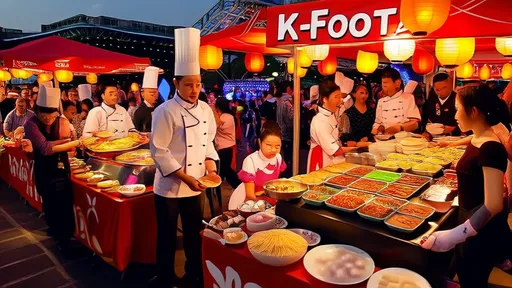
As dusk settles over the city, the air fills with the sizzle of marinated beef meeting hot grill and the sweet aroma of fermented cabbage. The K-FOOD FESTA transforms ordinary urban spaces into vibrant hubs of cultural exchange, where food becomes the universal language connecting people across continents. This annual celebration of Korean cuisine has evolved far beyond a simple culinary exhibition, becoming a dynamic platform where traditions meet innovation and strangers become friends over shared meals.
Food

Chinese Food Enterprises Engaging in Global Sustainable Development

By /Oct 30, 2025

Chinese food enterprises are increasingly positioning themselves at the forefront of global sustainability efforts, transforming from domestic producers into international players with environmentally conscious operations. This strategic shift reflects both global market demands and China's domestic policy directions, creating a unique convergence of commercial and ecological interests.
Food

5-Minute Avocado Toast Hack (My Fave Breakfast Win ✨)

By Rebecca Stewart/Nov 12, 2025

I used to think making a decent avocado toast required at least 15 minutes of precious morning time—until I discovered a game-changing method that takes under five. Mornings are chaotic enough without sacrificing a nutritious breakfast. This isn't just about mashing avocado on bread; it's about crafting a delicious, satisfying meal that fuels your day without the fuss.
Food

The Introduction of Japanese Square Watermelon Cultivation Techniques to China

By /Oct 30, 2025

In the sprawling agricultural landscapes of China's Shandong province, a quiet revolution has been taking place beneath plastic greenhouse covers. Farmers who have cultivated traditional watermelons for generations are now carefully tending to a peculiar new crop - square watermelons. These geometrically perfect fruits represent more than just a novelty item; they signify the successful transfer of specialized agricultural technology from Japan to Chinese farms, creating ripples across both agricultural and economic spheres.
Food

Korean-Chinese Food Ties Upgrade Again

By /Oct 30, 2025

The culinary relationship between South Korea and China is undergoing a remarkable transformation, moving beyond historical exchanges into a new era of collaborative innovation. For centuries, food has served as a cultural bridge between the two nations, with ingredients, techniques, and dishes flowing across borders. Today, this ancient bond is being redefined by a powerful synergy of modern consumer trends, technological advancement, and a shared ambition to conquer global palates. What was once a one-way street of influence is now a dynamic, two-lane highway of mutual inspiration and strategic partnership.