Chinese Food Enterprises Engaging in Global Sustainable Development

Oct 30, 2025 By

Chinese food enterprises are increasingly positioning themselves at the forefront of global sustainability efforts, transforming from domestic producers into international players with environmentally conscious operations. This strategic shift reflects both global market demands and China's domestic policy directions, creating a unique convergence of commercial and ecological interests.


The journey toward sustainability represents a fundamental reimagining of China's role in global food systems. For decades, Chinese companies focused primarily on scaling production to feed the world's largest population. Today, they're embracing a dual mandate: ensuring food security while minimizing environmental impact. This transition hasn't been merely cosmetic but involves substantial investments in green technologies, supply chain transparency, and international sustainability certifications.


Major Chinese food conglomerates have begun implementing comprehensive sustainability frameworks that extend from farm to fork. Companies like COFCO, China's largest food processor, have established ambitious targets for reducing carbon emissions, water usage, and food waste across their global operations. These initiatives often exceed local regulatory requirements, demonstrating a proactive approach to environmental stewardship that aligns with global sustainability standards.


The motivation behind this sustainability push stems from multiple factors. International market access increasingly depends on meeting stringent environmental criteria, particularly in European and North American markets. Simultaneously, Chinese consumers are becoming more environmentally aware, creating domestic demand for sustainable products. This dual pressure from both export markets and home consumers has accelerated corporate sustainability initiatives beyond what government regulations alone would mandate.


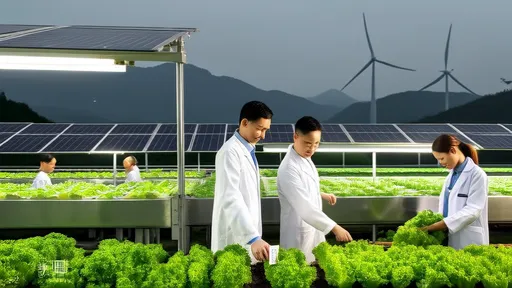
Technological innovation has become a cornerstone of Chinese food companies' sustainability strategies. Advanced agricultural technologies, including precision farming, drone monitoring, and AI-powered resource management, are being deployed both domestically and in overseas operations. These technologies enable more efficient use of water, fertilizers, and energy while maintaining productivity. The integration of digital solutions throughout supply chains also enhances traceability, allowing companies to monitor and optimize environmental performance across their global networks.


Chinese investments in sustainable food production extend across continents. In Southeast Asia, Chinese companies are establishing sustainable palm oil and rubber plantations that preserve biodiversity while providing economic opportunities for local communities. In Africa, agricultural projects focus on soil conservation and water management techniques adapted to local conditions. These international ventures increasingly prioritize environmental protection alongside commercial objectives, representing a significant evolution from earlier approaches focused solely on resource extraction.


The circular economy concept has gained substantial traction within China's food sector. Major companies are developing closed-loop systems that minimize waste by repurposing byproducts into animal feed, biofuels, or other valuable materials. This approach not only reduces environmental impact but also creates new revenue streams, demonstrating how sustainability can drive both ecological and economic benefits. These circular models are being implemented across global operations, adapting to local conditions while maintaining core environmental principles.


Partnerships with international organizations have been instrumental in shaping Chinese companies' sustainability approaches. Collaborations with UN agencies, global environmental groups, and multinational corporations have facilitated knowledge transfer and capacity building. Through these partnerships, Chinese firms have gained expertise in sustainable sourcing, environmental management systems, and corporate social responsibility reporting. This cross-border cooperation represents a significant shift from isolation to integration in global sustainability networks.


Chinese food companies face unique challenges in their sustainability journey. Balancing scale with sustainability presents particular difficulties given the massive production volumes required to serve both domestic and international markets. Additionally, companies must navigate varying environmental standards across different countries while maintaining consistent sustainability performance. These challenges require sophisticated management approaches and continuous innovation in sustainable practices.


The regulatory environment in China has evolved to support corporate sustainability initiatives. Recent policies encourage green development, carbon reduction, and sustainable resource management. These domestic policies create alignment between national objectives and corporate sustainability efforts, providing a supportive framework for companies expanding their sustainable operations globally. The convergence of policy support and market incentives has created favorable conditions for Chinese food companies to pursue ambitious environmental goals.


Transparency and reporting have become increasingly important aspects of Chinese companies' sustainability strategies. Leading firms now publish detailed sustainability reports following international standards, disclosing environmental performance data and improvement targets. This transparency helps build trust with international partners and consumers while driving internal accountability for environmental performance. The adoption of global reporting frameworks represents Chinese companies' growing integration into international business practices.


Looking forward, Chinese food enterprises are positioned to play an increasingly significant role in global food sustainability. Their scale, technological capabilities, and growing expertise in sustainable practices could contribute substantially to addressing global challenges like climate change, resource scarcity, and food security. As these companies continue to expand their international presence, their approach to sustainability will likely influence global food systems and environmental standards.


The evolution of Chinese food companies from domestic producers to global sustainability leaders reflects broader transformations in both Chinese industry and global environmental governance. Their growing commitment to sustainable practices demonstrates how commercial success and environmental responsibility can be mutually reinforcing. As these trends continue, Chinese enterprises may increasingly shape not only what the world eats but how sustainably those foods are produced, processed, and distributed across global supply chains.


This transition toward sustainability represents more than just compliance with regulations or response to market pressures. It signals a fundamental rethinking of corporate purpose and responsibility in an interconnected world. Chinese food companies are developing models that integrate economic, social, and environmental considerations, potentially offering new approaches to sustainable development that could influence global business practices beyond the food sector.


The international expansion of Chinese food companies brings both opportunities and responsibilities. As they operate across diverse ecological and social contexts, these companies must adapt their sustainability approaches to local conditions while maintaining core environmental principles. This requires sophisticated understanding of different regulatory environments, cultural expectations, and ecological systems. The ability to balance global standards with local adaptation will be crucial for their long-term success as sustainable global enterprises.


Chinese food companies' sustainability journey remains ongoing, with continued challenges and opportunities ahead. However, their growing engagement with global sustainability initiatives represents a significant development in both Chinese business practices and global environmental governance. As these companies continue to evolve their approaches, they contribute to shaping more sustainable food systems that can meet human needs while protecting planetary health for future generations.



Recommend Posts
Food

Guangxi Gongcheng Enterprises Sign Contracts with Greater Bay Area Buyers Worth 64 Million Yuan

By /Oct 30, 2025

In a landmark development for regional economic cooperation, enterprises from Gongcheng County in Guangxi have successfully secured procurement contracts worth 640 million yuan with buyers from the Greater Bay Area, marking a significant milestone in cross-regional business collaboration. The signing ceremony, held amidst growing economic integration between southern China's regions, demonstrates how smaller counties are leveraging strategic partnerships to access larger markets and drive local economic growth.
Food

Shenzhen Halal Association Showcases High-Quality Healthy Halal Foods

By /Oct 30, 2025

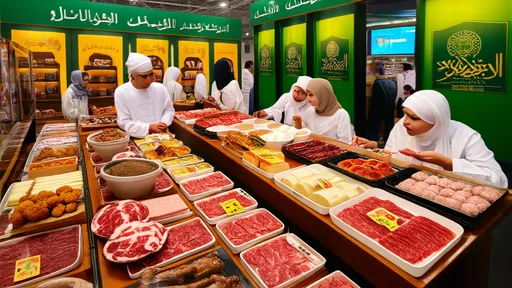
In a vibrant celebration of culinary excellence and nutritional innovation, the Shenzhen Halal Association recently unveiled an impressive array of premium healthy halal food products at a major exhibition. The event, held at the prestigious Shenzhen Convention and Exhibition Center, drew widespread attention from food industry experts, health-conscious consumers, and international trade representatives alike. The association's meticulously curated display represented a significant milestone in the evolution of halal food standards, demonstrating how traditional dietary laws can harmoniously coexist with contemporary health trends and environmental consciousness.
Food

Ugandan Coffee and Australian Dairy Compete on the Same Stage

By /Oct 30, 2025

In the bustling halls of international trade exhibitions, an unlikely pairing has been capturing the attention of global buyers and connoisseurs alike. The rich, earthy aroma of Ugandan coffee beans mingles with the creamy sweetness of Australian dairy products, creating a sensory experience that transcends geographical boundaries. This unexpected convergence represents more than just a culinary curiosity—it speaks volumes about the evolving landscape of global trade and the fascinating ways in which developing and developed economies are finding common ground in competitive international markets.
Food

Shantou Yingge Dance Makes a Debut with Chenghai Lion Head Goose, Highlighting the Rich Mountain and Sea Resources

By /Oct 30, 2025

In the coastal city of Shantou, a remarkable cultural fusion is taking center stage, blending intangible heritage with culinary excellence to showcase the region's unique geographical treasures. The rhythmic intensity of Yingge Dance, recognized by UNESCO as an intangible cultural heritage, now shares the spotlight with Chenghai's majestic lion-head geese, creating a powerful narrative about the interconnectedness of mountain and sea resources that define this corner of Guangdong Province.
Food

The Perfect Fusion of Korean Traditional Art and Cuisine

By /Oct 30, 2025

In the heart of Seoul, where ancient palaces cast long shadows over bustling modern streets, a culinary revolution is quietly unfolding. Chefs in hanbok—traditional Korean attire—move with the deliberate grace of pansori singers as they arrange delicate banchan side dishes with the precision of a calligrapher's brushstroke. This is where Korea's living cultural heritage meets its world-renowned cuisine, creating experiences that nourish both body and soul in equal measure.
Food

How International Food Trade Promotes Cultural Understanding

By /Oct 30, 2025

In the bustling markets of Istanbul, the aromatic scent of Turkish coffee mingles with the sharp tang of Italian Parmesan. In Tokyo’s depachika food halls, French macarons sit alongside delicate Japanese wagashi. These scenes are not just a testament to globalized trade but a living, breathing dialogue between cultures. International food trade has quietly become one of the most potent, yet understated, vehicles for cultural understanding in our interconnected world. It moves beyond the exchange of goods into the realm of shared human experience, transforming foreign ingredients into familiar staples and distant culinary traditions into personal daily rituals.
Food

How to Open Up Distribution Channels for Landmark Products through Exhibitions

By /Oct 30, 2025

In the bustling exhibition hall of the Canton Fair, a small booth displaying handcrafted bamboo tea sets from a remote Chinese village caught the attention of international buyers. This scene, repeated across trade shows worldwide, demonstrates the transformative power of exhibitions in bridging the gap between regional specialties and global markets. For producers of distinctive local products, trade shows represent more than mere selling opportunities—they serve as critical conduits for establishing distribution networks that can sustain businesses for years to come.
Food

Flavors from China" Become New Choices for Global Dining Tables

By /Oct 30, 2025

In the bustling streets of New York, the aromatic scent of Sichuan peppercorns wafts from a trendy downtown restaurant. In Parisian bistros, chefs are experimenting with fermented black beans, while in Melbourne homes, families gather around steaming pots of hot pot. Chinese cuisine, once confined to Chinatowns and specialized eateries, has broken free from its traditional boundaries to become a vibrant and influential force on the world's dining tables. This is not merely about the globalization of food; it is a story of cultural exchange, economic ascent, and a profound shift in global palates. The flavors from China are no longer just an exotic alternative; they are becoming a new, mainstream choice, redefining what it means to eat globally.
Food

How to Build a Communication Platform between Korean Cuisine and Chinese Consumers"

By /Oct 30, 2025

The aroma of sizzling bulgogi wafts through a Shanghai shopping mall as curious Chinese consumers gather around a pop-up Korean food stall. This scene, repeated across major Chinese cities, represents more than just a culinary curiosity - it signifies a cultural bridge being built one bite at a time. Korean cuisine's journey into the Chinese market has evolved from simple food exports to a sophisticated cultural exchange that requires nuanced understanding and strategic communication.
Food

Exploring Local Specialty Certification through 'Chongqing Flavor Flavor List'"

By /Oct 30, 2025

In the heart of southwestern China lies Chongqing, a city whose culinary identity has long been defined by the fiery embrace of the chili pepper and the numbing tingle of Sichuan peppercorn. For decades, this singular profile dominated both domestic and international perceptions of the region's food. But a quiet revolution has been brewing in the kitchens and culinary institutes of Chongqing, one that seeks to codify and celebrate the astonishing diversity that lies beyond the ma la (numbing and spicy) stereotype. The recently unveiled "Yu Flavor Type Inventory" is not merely a list of dishes; it is a profound act of cultural reclamation and a sophisticated framework for authenticating a complex regional cuisine.
Food

South Korea's Agricultural and Food Exports to China Grow

By /Oct 30, 2025

In recent years, South Korea's agricultural and food exports to China have demonstrated remarkable resilience and growth, defying global economic headwinds and navigating complex trade dynamics. This upward trajectory underscores a strategic alignment of Korean products with evolving Chinese consumer preferences, bolstered by effective marketing and quality assurance. The sustained expansion is not merely a statistical anomaly but reflects deeper shifts in bilateral trade relations and consumption patterns across East Asia.
Food

Tongliao Agricultural Investment Company Partners with Greater Bay Area Buyers to Build a Comprehensive Chain System

By /Oct 30, 2025

In a groundbreaking move that bridges China's northern agricultural heartland with southern economic dynamism, Tongliao Agricultural Investment Company has forged a strategic partnership with leading Greater Bay Area procurement enterprises to establish a comprehensive agricultural supply chain system. This collaboration represents more than just a business transaction - it symbolizes the convergence of traditional farming wisdom with modern market demands, creating a new paradigm for agricultural development in China.
Food

Han-Chinese Friendship Little Angels Witnessing the Exchange of Culinary Culture

By /Oct 30, 2025

In the heart of Seoul, where ancient palaces stand beside modern skyscrapers, a remarkable culinary exchange is taking place that transcends borders and languages. The "Little Ambassadors of Korea-China Friendship" program has been quietly nurturing the next generation of cultural diplomats through the universal language of food. These children, selected for their curiosity and open-heartedness, have become unexpected but powerful bridges between two nations with deeply intertwined histories and increasingly interconnected futures.
Food

Sino-European Food Industry Cooperation Spurs Innovation Achievements

By /Oct 30, 2025

In the heart of Europe's bustling food innovation scene, a quiet revolution is taking place as Chinese and European stakeholders forge unprecedented alliances. The historic Silk Road that once connected East and West through trade routes now finds its modern equivalent in the exchange of culinary wisdom and food technology. What began as simple agricultural trade has evolved into sophisticated partnerships that are reshaping global food systems.
Food

How Korean Brands Attract Chinese Consumers

By /Oct 30, 2025

Korean brands have mastered the art of capturing the Chinese consumer market through a sophisticated blend of cultural resonance and strategic marketing. The journey began with the Korean Wave, or Hallyu, which swept across China in the late 1990s and early 2000s. This cultural phenomenon introduced Chinese audiences to Korean dramas, music, and fashion, creating a fertile ground for brands to flourish. What started as a niche interest has evolved into a mainstream preference, with Korean products now synonymous with quality, innovation, and style in the minds of many Chinese consumers.
Food

K-FOOD FESTA: Promoting Cultural Exchange through Gastronomy"

By /Oct 30, 2025

As dusk settles over the city, the air fills with the sizzle of marinated beef meeting hot grill and the sweet aroma of fermented cabbage. The K-FOOD FESTA transforms ordinary urban spaces into vibrant hubs of cultural exchange, where food becomes the universal language connecting people across continents. This annual celebration of Korean cuisine has evolved far beyond a simple culinary exhibition, becoming a dynamic platform where traditions meet innovation and strangers become friends over shared meals.
Food

Chinese Food Enterprises Engaging in Global Sustainable Development

By /Oct 30, 2025

Chinese food enterprises are increasingly positioning themselves at the forefront of global sustainability efforts, transforming from domestic producers into international players with environmentally conscious operations. This strategic shift reflects both global market demands and China's domestic policy directions, creating a unique convergence of commercial and ecological interests.
Food

5-Minute Avocado Toast Hack (My Fave Breakfast Win ✨)

By Rebecca Stewart/Nov 12, 2025

I used to think making a decent avocado toast required at least 15 minutes of precious morning time—until I discovered a game-changing method that takes under five. Mornings are chaotic enough without sacrificing a nutritious breakfast. This isn't just about mashing avocado on bread; it's about crafting a delicious, satisfying meal that fuels your day without the fuss.
Food

The Introduction of Japanese Square Watermelon Cultivation Techniques to China

By /Oct 30, 2025

In the sprawling agricultural landscapes of China's Shandong province, a quiet revolution has been taking place beneath plastic greenhouse covers. Farmers who have cultivated traditional watermelons for generations are now carefully tending to a peculiar new crop - square watermelons. These geometrically perfect fruits represent more than just a novelty item; they signify the successful transfer of specialized agricultural technology from Japan to Chinese farms, creating ripples across both agricultural and economic spheres.
Food

Korean-Chinese Food Ties Upgrade Again

By /Oct 30, 2025

The culinary relationship between South Korea and China is undergoing a remarkable transformation, moving beyond historical exchanges into a new era of collaborative innovation. For centuries, food has served as a cultural bridge between the two nations, with ingredients, techniques, and dishes flowing across borders. Today, this ancient bond is being redefined by a powerful synergy of modern consumer trends, technological advancement, and a shared ambition to conquer global palates. What was once a one-way street of influence is now a dynamic, two-lane highway of mutual inspiration and strategic partnership.