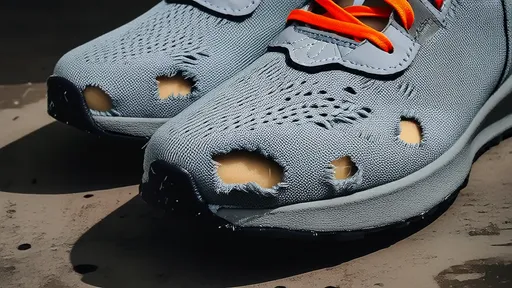
Nothing is more frustrating than noticing a hole in the mesh of your favorite training shoes, especially when they’re still comfortable and broken in just right. While mesh fabric is lightweight and breathable, it’s also prone to wear and tear over time. Fortunately, there are several effective ways to repair those unsightly holes and extend the life of your sneakers without compromising their fit or performance.
One of the simplest methods involves using a needle and thread. While it may sound basic, a careful hand-stitching job can work wonders for small to medium-sized holes. Choose a durable nylon or polyester thread that matches the color of your shoe’s mesh. Start by securing the thread with a knot on the inside of the shoe, then use small, tight stitches to pull the torn edges together. The key is to maintain even tension to avoid puckering the fabric. For added strength, you can create a crisscross pattern over the damaged area.
For those less confident with needlework, fabric glue offers a quick alternative. High-quality shoe glue or flexible fabric adhesive can bond the mesh fibers effectively. Apply a thin layer to both sides of the tear, press firmly together, and allow adequate drying time as per the product instructions. Some athletes reinforce this method by placing a small piece of matching mesh fabric underneath as a patch before gluing. This approach works particularly well for larger holes where stitching alone might not provide enough support.
An innovative solution gaining popularity among runners is using heat-activated mesh repair tape. Available at most sporting goods stores, this specialized tape melts slightly when heated to form a permanent bond with the shoe material. After cleaning the area, you simply cut the tape to size, position it over the hole (with excess extending onto undamaged mesh), and apply heat with a hair dryer or clothing iron (using a protective cloth barrier). The result is a nearly invisible repair that maintains the shoe’s flexibility.
For more extensive damage, consider combining methods for maximum durability. A common professional technique involves first stitching the hole closed, then applying a thin layer of flexible silicone sealant over the stitches. This creates both mechanical and chemical bonding while maintaining breathability. Cyclists and trail runners often use this hybrid approach for high-stress areas like the toe box or sides where feet flex during movement.
Prevention plays a crucial role in mesh maintenance. Regularly cleaning your shoes with mild soap and avoiding excessive sun exposure can significantly prolong the mesh’s lifespan. When not in use, store training shoes in a cool, dry place rather than leaving them in a hot car or damp gym bag. For athletes who frequently encounter rough terrain, applying a protective spray designed for mesh fabrics can add a reinforcing layer against abrasions.
The choice of repair method ultimately depends on the hole’s size, location, and your personal comfort with DIY fixes. While small holes might only need a quick glue application, larger tears could benefit from professional repair services that use industrial-grade adhesives and matching mesh replacements. Many local cobblers now offer specialized sneaker repair services at reasonable prices, often with warranties on their work.
Beyond functionality, there’s an environmental argument for repairing rather than replacing mesh shoes. The athletic footwear industry generates millions of tons of waste annually, and extending a shoe’s life by even a few months makes a meaningful difference. Some creative individuals have turned mesh repairs into artistic statements, using colorful threads or patterned patches that add personality to worn shoes.
When attempting any repair, always start with clean, dry shoes and allow adequate curing time before wearing them again. Test any adhesives on an inconspicuous area first to ensure compatibility with your shoe’s materials. With proper care and timely repairs, your trusted training shoes can maintain their comfort and support through many more miles of workouts.

By /Aug 14, 2025

By /Aug 14, 2025

By /Aug 14, 2025
By /Aug 14, 2025

By /Aug 14, 2025
By /Aug 14, 2025
By /Aug 14, 2025

By /Aug 14, 2025

By /Aug 14, 2025
By /Aug 14, 2025
By /Aug 14, 2025
By /Aug 14, 2025

By /Aug 14, 2025
By /Aug 14, 2025

By /Aug 14, 2025
By /Aug 14, 2025
By /Aug 14, 2025

By /Aug 14, 2025
By /Aug 14, 2025

By /Aug 14, 2025
